



Meta description: A practical Australian property development funding checklist covering the borrower, site, approvals, feasibility, valuation, builder, presales, equity, loan structure and exit strategy.
Suggested URL slug: /property-development-funding-checklist/
Primary keyword: property development funding checklist
Secondary keywords: development finance application checklist, property development loan documents, development funding requirements, construction finance checklist, lender-ready development application
Introduction
A strong property development finance application is not simply a collection of documents. It is a coherent explanation of why the project should be funded, how the loan will be repaid and what protections exist if the project does not perform exactly as forecast. Lenders want evidence, but they also want consistency. The figures in the feasibility must agree with the valuation assumptions, the construction contract must align with the quantity surveyor's report, the project timetable must support the requested loan term, and the proposed exit strategy must be realistic for the asset and market.
Developers often begin the funding process with the assumption that the lender mainly wants to know the site value, construction cost and expected end value. Those numbers are important, but they are only part of the credit decision. A lender also assesses the sponsor, the ownership structure, planning status, builder capability, sales or leasing risk, cost-to-complete position, equity contribution, security package and capacity to deal with delays or overruns. An application can fail even where the projected profit appears attractive if those other elements are not sufficiently developed.
The purpose of this guide is to provide an end-to-end property development funding checklist for Australian projects. It is designed for townhouse, apartment, land subdivision, industrial, retail, mixed-use and specialised commercial developments. Individual lenders will ask for different information, and the depth of due diligence will vary with the size, complexity and risk of the project. However, the core principles remain consistent: the lender must understand the borrower, the asset, the development plan, the funding requirement and the repayment path.
A well-prepared application does more than improve the prospect of approval. It can shorten the assessment process, reduce repeated information requests, help the lender issue a more accurate term sheet and expose weaknesses before they become expensive. It also gives the developer a stronger basis for comparing competing finance offers because the same project information can be presented consistently across the market.
1. Begin with a clear funding request
Before assembling supporting documents, define precisely what you are asking the lender to provide. A vague request for "the maximum available" gives the credit team little guidance and can suggest that the capital structure has not been properly considered. A lender-ready request states the amount, purpose, timing, proposed term, expected peak debt, interest treatment and intended exit.
The executive summary should identify the borrower and sponsor, describe the site and project, outline the development approval status, state the total development cost and expected gross realisation value, and explain the proposed capital stack. It should also identify the amount of equity already invested, the additional equity available, the senior debt requested and whether any mezzanine or preferred-equity capital is proposed. Where the loan will be drawn in stages, the summary should explain when the facility is expected to reach peak debt and how repayments will occur.
The funding request should be reconciled to a detailed sources-and-uses statement. The sources side may include sponsor cash, existing land equity, new investor equity, senior debt, mezzanine finance and retained deposits where permitted. The uses side should capture land acquisition or refinance, stamp duty, professional fees, authority charges, construction costs, contingency, marketing, sales commissions, finance costs, GST timing and all other project expenditure. If the total sources do not exactly match the uses, the lender will assume either that costs are missing or that the facility requirement has not been properly modelled.
It is also important to distinguish the total facility limit from the expected amount outstanding at any one time. A development facility may include capitalised interest, establishment fees, unused contingency or a GST component, yet not all components are drawn at settlement. The lender will focus on both the approved limit and the projected peak exposure. Clear cash-flow modelling helps explain this distinction and reduces confusion during credit assessment.
2. Present the borrower and sponsor clearly
Development lenders finance projects, but they also finance people. The sponsor's experience, financial capacity, decision-making discipline and history of completing projects are central to the assessment. A lender wants to know who is ultimately responsible for the development and whether that person or team has delivered comparable projects through changing market conditions.
The application should include a simple ownership and entity diagram showing the borrower, landowner, development manager, builder and any related entities. Where a special-purpose vehicle owns the site, the lender will usually require the company extract, constitution, trust deed where relevant, shareholder information, director details and ultimate beneficial ownership. Complex structures should be explained in plain language so that the lender can understand where equity is coming from, who controls the borrower and which entities may provide guarantees or security.
Sponsor resumes should focus on relevant development experience rather than general business history. For each completed project, the lender benefits from seeing the location, asset type, number of dwellings or lots, total development cost, funding structure, completion date and realised outcome. Current projects should also be disclosed, particularly where they compete for the sponsor's cash, guarantees or management attention. A developer with multiple projects underway may be experienced, but the lender will test whether the sponsor has sufficient resources to support them all.
The personal and corporate financial position should be supported by current statements of assets and liabilities, recent financial statements, tax returns and evidence of cash or liquid investments. The lender is not only measuring net worth. It is also assessing liquidity, contingent liabilities, existing guarantees and the ability to contribute additional funds if the project encounters a temporary shortfall. Assets that cannot be sold or refinanced quickly may strengthen the overall balance sheet but provide limited assistance during construction.
Credit conduct matters as well. Existing loan statements, evidence of on-time repayments and explanations for any arrears, defaults, tax debts or disputes should be prepared before submission. Problems are usually more manageable when disclosed early and explained with supporting evidence. Discovering an undisclosed issue during formal due diligence can damage confidence in the entire application.
“The best submission answers the questions before they’re asked.”
— The Australian Property Development Handbook
3. Establish clean control of the development site
The lender must be satisfied that the borrower owns, is acquiring or has enforceable control over the land. The required evidence may include the executed contract of sale, title search, settlement statement, option agreement, development agreement, joint-venture agreement or other document establishing the borrower's rights. Any conditions, extensions, vendor-finance arrangements or deferred-settlement terms should be clearly identified.
The title and property searches need to be reviewed for mortgages, caveats, easements, covenants, resumptions, access limitations and other encumbrances that may affect development or security. An easement may be routine, but it can also reduce the developable area or create construction restrictions. A covenant may prevent a proposed use. A caveat may delay settlement or lender registration. These matters should be understood and addressed before the finance application reaches legal due diligence.
Site access and servicing are equally important. The lender will want to know whether the development has legal and practical access to roads, water, sewer, electricity, telecommunications and stormwater infrastructure. Where upgrades or external works are required, the costs and delivery responsibilities must be included in the feasibility and programme. A project can be physically buildable yet commercially unviable if off-site infrastructure obligations are underestimated.
Environmental and geotechnical risks should be identified at the appropriate stage. Depending on the site and prior use, this may involve contamination reports, acid sulphate soil investigations, flood studies, bushfire assessments, geotechnical testing, noise reports or ecological studies. The lender does not expect every site to be risk-free, but it does expect the risk to be quantified, costed and managed.
For land contributed by the developer or landowner, the application should distinguish the historical purchase price, current as-is value, existing debt and net equity available to the project. A high current valuation does not automatically mean all land value will be recognised as cash equity. Lenders may apply a lower value, deduct selling costs or treat part of the uplift more conservatively where approvals are incomplete or market evidence is limited.
4. Demonstrate the status of planning and approvals
Planning status has a direct impact on leverage, pricing and lender appetite. A project with an effective development approval, satisfied pre-commencement conditions and near-complete construction documentation is materially different from a site that still requires a discretionary approval. The application should state exactly what has been approved, what remains outstanding and who is responsible for completing each step.
Provide the development approval and all conditions, together with approved plans and any amendments. Conditions should be reviewed for infrastructure contributions, roadworks, environmental obligations, staging requirements, affordable-housing commitments, demolition controls, operating restrictions or other items that affect cost and timing. A lender will often ask whether the feasibility includes every condition-related cost, not simply the direct building works.
Where operational works, building approval, subdivision certification or service authority approvals are still pending, include a realistic programme and evidence of progress. Correspondence from the town planner, certifier, engineer or authority can help demonstrate that the remaining steps are procedural rather than speculative. If an approval is subject to appeal, lapse risk or third-party consent, that issue must be highlighted.
The lender will compare the approval set with the feasibility, valuation and builder's scope. A common problem arises where the feasibility reflects an earlier concept plan but the approved design contains fewer saleable areas, additional basement works or more expensive conditions. The most current design should be used across all documents, with any differences explained.
Planning risk does not necessarily prevent funding. Some lenders will finance acquisition or pre-development phases before full approval. However, these facilities are usually assessed differently from construction loans and may involve lower leverage, shorter terms, additional equity or clear milestones for conversion into the construction phase.
5. Build a feasibility that can withstand credit scrutiny
The feasibility is the financial centre of the application. It should show the expected profit, but its more important function is to prove that the project remains fully funded and repayable under realistic downside conditions. A lender will not rely solely on the developer's base-case assumptions. It will test sales values, rents, capitalisation rates, construction costs, interest rates, programme delays and settlement timing.
Every material assumption should have a source. End values should be supported by comparable sales, project marketing advice or the lender's valuation. Construction costs should align with the building contract, cost plan or quantity surveyor's assessment. Professional fees, authority charges, selling costs and finance expenses should be based on current quotations or reasonable allowances. Unsupported round numbers invite challenge and can result in the lender substituting more conservative assumptions.
The feasibility should clearly distinguish total development cost, total project cost and costs included or excluded from the lender's loan-to-cost calculation. Lenders do not all define eligible cost in the same way. Some may exclude land-value uplift, related-party fees, deferred profit, recoverable GST or certain financing costs. A project can therefore show one loan-to-cost ratio in the developer's model and a higher ratio under the lender's definition. Identifying this issue early prevents unpleasant surprises at term-sheet stage.
Finance costs must be modelled on a monthly cash-flow basis rather than as a simple annual percentage applied to the full facility. Development debt is drawn progressively. Interest is charged on the amount outstanding, while establishment, line, valuation, legal, quantity-surveyor and exit fees may be incurred at different times. The model should also allow for extensions and default pricing in a downside scenario, even if those costs are not expected in the base case.
GST and tax timing can create significant liquidity pressure. The feasibility should explain whether the project is modelled on a GST-inclusive or GST-exclusive basis, when input tax credits are expected and how GST on settlements will be handled. The lender may require a dedicated GST facility, may fund GST selectively or may expect the borrower to bridge timing differences. These assumptions must align with the accountant's advice and facility structure.
Sensitivity analysis should not be treated as a decorative appendix. At a minimum, the model should test lower end values, higher construction costs and a delayed completion or settlement programme. A combined downside scenario is particularly useful because risks often occur together. A five per cent fall in values may be manageable in isolation, as may a five per cent cost increase, but the simultaneous effect can materially reduce profit and increase the equity requirement.
The lender will also focus on cost to complete at every stage. The undrawn facility plus remaining committed equity must be sufficient to finish the project and pay finance costs. A profitable project can still default if it runs out of cash before completion. The cash flow therefore needs to show when equity is contributed, when lender drawdowns occur, how contingencies are controlled and whether sale proceeds are needed before the works are complete.

6. Prepare for an independent valuation
The lender will normally appoint its own valuer, even where the developer already has a valuation. The application should nevertheless provide enough information for the valuation to be instructed efficiently, including title details, approval documents, plans, specifications, areas, tenancy schedules, presale schedules, construction programme and feasibility.
Development valuations commonly consider the as-is land value and the value on completion. Depending on the project, the valuer may also assess value subject to existing approvals, value with vacant possession, value subject to leases or value under a staged sell-down. For income-producing commercial projects, the adopted rent, incentives, vacancy, outgoings and capitalisation rate can have a substantial impact on the completed value.
The developer should reconcile the feasibility with the valuation basis. If the feasibility assumes premium sale prices that are not supported by comparable evidence, the lender will use the valuer's lower figure. If the feasibility assumes no selling costs but the valuation deducts marketing and commission, the effective gross realisation value may be lower. If commercial value depends on a future lease, the lender may discount the valuation until the lease is executed and key conditions are satisfied.
It is prudent to run the funding model using a range of values before formal valuation. This helps identify the maximum valuation shortfall the project can absorb without requiring additional equity. Where leverage is tight, the developer should know in advance whether a five or ten per cent reduction in completed value would change the facility amount or breach the lender's maximum loan-to-value ratio.
Valuation delays can also affect the finance timetable. Provide complete and consistent information at the start, nominate site contacts promptly and respond quickly to valuer questions. A valuation cannot cure an incomplete project strategy, but a well-organised information pack can prevent avoidable delays.
7. Show that the construction strategy is deliverable
Construction is usually the largest use of funds and the greatest source of execution risk. The lender will assess not only the contract price but also the builder's experience, financial capacity, programme, procurement approach and ability to complete the specific project type.
Provide the executed or proposed building contract, detailed scope, specifications, drawings, inclusions, exclusions, provisional sums and programme. The application should identify whether the contract is fixed price, design and construct, cost plus, guaranteed maximum price or another form. A contract described as fixed price may still contain escalation clauses, broad latent-condition relief, provisional allowances or owner-supplied items that transfer meaningful risk back to the developer.
The builder's credentials should include corporate details, licence information, insurance, financial statements where available, current workload, key personnel and a schedule of comparable completed projects. The lender and quantity surveyor may also review subcontractor concentration, procurement status and the builder's exposure to other developments. A well-known builder is not automatically low risk if its balance sheet is stretched or the proposed project is outside its usual experience.
An independent quantity surveyor will commonly verify the cost plan, contract sum, contingency, programme and monthly progress claims. The developer should resolve major differences between the feasibility, builder's contract and quantity-surveyor report before submission. If the quantity surveyor identifies omitted works, inadequate contingency or an unrealistic programme, the lender may reduce leverage or require additional equity before first drawdown.
The contingency should reflect the actual risk profile rather than a standard percentage applied without thought. Early-stage projects, complex basements, contaminated sites, refurbishment works and projects with incomplete design generally require greater protection than straightforward, fully documented construction. The facility documents may also restrict access to contingency unless the lender and quantity surveyor approve its use.
Evidence of appropriate insurance is required before construction drawdowns. This may include contract works, public liability, professional indemnity, workers compensation and other policies relevant to the project. The lender's interest will need to be noted where required. Delays in satisfying insurance conditions can prevent settlement or the first progress payment even where the credit approval is otherwise complete.
Talk to BluCow about your project →
8. Support the sales or leasing strategy with evidence
The lender's repayment depends on the exit. For residential projects, that may involve presales and progressive settlements. For commercial developments, it may involve preleasing, sale to an investor or refinance based on stabilised income. The application should explain the intended strategy and provide evidence that the market can support it.
A residential sales pack should include the agent appointment, pricing schedule, comparable evidence, marketing strategy, sales rate assumptions and details of contracts already exchanged. Lenders will examine purchaser concentration, deposit amounts, sunset clauses, rescission rights, related-party sales and whether the contracts meet the lender's qualifying-presale requirements. A high number of contracts is less valuable if deposits are weak, purchasers are related to the developer or settlement is conditional on uncertain events.
The sales cash flow should show expected exchange and settlement timing, agent commissions, incentives, GST and the lender's required release prices. Developers sometimes assume that each settlement immediately creates free cash. In practice, the lender may require a substantial portion of sale proceeds to reduce debt until agreed coverage tests are satisfied. This is particularly important for staged subdivisions and multi-unit projects where early settlements are expected to fund later works.
For commercial projects, provide heads of agreement, executed leases, tenant financial information, incentive details, fit-out obligations, rent-free periods, bank guarantees and commencement conditions. The lender will assess the quality of the tenant covenant, lease term, break rights, review structure and whether the lease begins before or after practical completion. A signed lease may not produce immediate value if major conditions remain outstanding.
Speculative commercial development can still be funded, but the lender will examine location, supply, likely absorption, reletting assumptions and sponsor capacity more closely. The exit strategy should not rely on an aggressive capitalisation rate or immediate full occupancy unless there is strong evidence. A realistic lease-up allowance and interest buffer may be required.
9. Prove the equity contribution and capital stack
The lender must understand how much genuine equity is committed, when it will be contributed and where it comes from. Equity can include cash already spent on land and professional fees, unencumbered land value, new cash contributions or third-party investor capital. Each source should be supported by evidence.
Bank statements, investment-account statements, settlement records and paid invoices can demonstrate cash equity. Land equity should be reconciled to the lender's adopted as-is value less existing debt and acquisition costs. Investor equity should be supported by executed subscription or joint-venture documents and proof that the investor has the funds available. An informal promise of future capital is unlikely to satisfy a lender's cost-to-complete requirements.
The timing of equity is as important as the amount. Many lenders require the borrower's equity to be contributed before debt is drawn, although some structures allow proportional funding. The cash flow should reflect the actual agreed sequence. If equity is expected to come from another project, a property sale or refinance, the lender will test whether that event is sufficiently certain and appropriately timed.
Where mezzanine debt, preferred equity or vendor finance is proposed, the application should disclose the full terms. The senior lender will need to understand payment priority, security, control rights, capitalised returns, maturity and enforcement arrangements. Capital that appears to be equity from a project perspective may be treated as debt by the senior lender if it has fixed repayment obligations or security.
A lender will also consider whether the sponsor retains meaningful risk capital in the project. An overleveraged structure can reduce the buffer available to absorb cost overruns or valuation changes. Higher leverage may be commercially appropriate, but it generally requires stronger project metrics, sponsor experience and control over the exit.
10. Match the facility structure to the project
The cheapest headline interest rate does not necessarily produce the best development facility. A loan can be attractively priced but poorly matched to the project's cash flow, programme or exit. The funding checklist should therefore include a detailed review of the proposed structure, not just the rate and approved amount.
The facility term should allow adequate time for settlement, pre-construction conditions, construction, practical completion, titles, sales or leasing and debt repayment. A nominal eighteen-month term may provide far less usable time if several months are consumed by documentation and preconditions. The extension options, extension fees and conditions should be understood before the loan is accepted.
Interest may be paid monthly, capitalised, deducted from an interest reserve or funded through the construction facility. Capitalised interest reduces short-term cash pressure but increases peak debt. The feasibility must use the lender's actual calculation method and allow for delays. If the interest reserve is exhausted, the borrower may need to service interest from external cash or contribute additional equity.
Drawdown mechanics should be reviewed with the builder and quantity surveyor. The lender may fund monthly in arrears after inspection and certification, while the building contract may require payment within a shorter period. The developer needs enough working capital to bridge any timing gap, fund deposits and pay costs that the lender excludes.
Covenants may include maximum loan-to-cost and loan-to-value ratios, minimum presale coverage, minimum profit, cost-to-complete tests, restrictions on distributions and requirements for lender consent before material project changes. The application should not assume these are boilerplate. A covenant that is too tight for the normal operation of the project can create repeated waiver requests or technical defaults.
For projects repaid progressively, release prices and cash-sweep provisions are critical. The lender may require a fixed amount from each lot or dwelling settlement, a percentage of net proceeds or enough repayment to maintain a target debt-cover ratio. These terms determine how quickly debt reduces and when surplus cash becomes available to the developer.
Fees should be compared on a whole-of-facility basis. In addition to the establishment fee and interest margin, consider line fees, undrawn fees, valuation costs, legal costs, quantity-surveyor fees, review fees, extension fees, exit fees, minimum-interest provisions and default interest. A short project can be particularly affected by minimum-return or minimum-interest clauses.
11. Make the exit strategy specific and evidenced
"Sell or refinance" is not a complete exit strategy. The lender needs to know which exit is primary, what conditions are required for it to occur and what evidence supports the assumption. The exit should be consistent with the asset type, market, borrower profile and loan term.
For a sell-down strategy, provide expected sale prices, settlement timing, current presales, marketing evidence and the lender's release-price calculation. The model should allow for slower settlements, rescissions and additional selling costs. A project that requires every dwelling to settle at the highest forecast price by a fixed date has little resilience.
For a hold-and-refinance strategy, the application should show the expected completed value, net operating income, stabilised occupancy, capitalisation rate, refinance loan-to-value ratio, interest rate and debt-service coverage. The lender will examine whether the sponsor has sufficient income and balance-sheet strength to support the permanent debt. A development lender may not accept refinance as the primary exit where the completed asset is unlikely to meet investment-lender criteria.
Where a commercial project will be sold to an investor, the application should address lease commencement, tenant incentives, defects periods, rental guarantees and any conditions to settlement. The completed value may not be realised until the income is secure and the asset has reached an acceptable level of stabilisation.
A secondary exit is useful but should also be realistic. For example, an apartment project intended for retail sell-down may have a secondary option to sell the remaining stock in one line, but the bulk-sale value would likely be lower. Testing that lower value shows whether the lender could still be repaid if the primary strategy is delayed.
12. Include a practical risk register
A professional funding submission acknowledges risk rather than pretending it does not exist. The lender's credit team will identify risks in any event. The developer gains credibility by showing that the major issues have been considered and that practical mitigants are in place.
The risk register should address planning, title, environmental conditions, construction costs, builder performance, programme delays, valuation, market demand, sales or leasing, interest rates, refinance, sponsor liquidity and key-person dependency. Each risk should be described in project-specific terms, with an identified mitigation and responsible party.
For example, construction-cost risk may be mitigated by a fixed-price contract, completed design, quantity-surveyor review, locked-in trade packages and a funded contingency. That does not eliminate risk, but it demonstrates that the project is not relying on a single assumption. Sales risk may be mitigated by conservative pricing, multiple agents, staged releases, adequate marketing allowance and a lower break-even sales threshold.
The register should also explain what happens if a mitigation fails. If the builder defaults, is there a step-in process or alternative contractor strategy? If the valuation is lower, can the sponsor contribute more equity or reduce the facility request? If approvals are delayed, is there sufficient time under the land contract and facility term? These contingency plans are often more persuasive than broad assurances.
13. Build a lender-ready data room
Presentation affects the efficiency of the assessment. A lender should be able to navigate the application without searching through unrelated email chains or multiple versions of the same document. A structured digital data room is one of the simplest ways to improve the process.
Use clearly named folders for the executive summary, borrower, site, approvals, feasibility, valuation, builder, quantity surveyor, sales or leases, equity, legal documents and exit strategy. File names should include the document type and date. Superseded plans and models should be archived rather than left beside current versions.
Provide a document register identifying what is included, the date of each item and any outstanding information. Where a document is not yet available, explain when it is expected and whether the funding decision depends on it. This allows the lender to distinguish a genuine gap from an administrative omission.
Consistency across the data room is essential. The same project should not be described as twenty-four townhouses in one document and twenty-six in another. The land value, construction contract, programme, loan request and end values should reconcile. Where figures legitimately differ, include a short explanation rather than leaving the lender to discover the discrepancy.
The development model should be supplied in an accessible format with formulas intact, not only as a PDF. Protecting core formulas is reasonable, but the lender or adviser needs to understand the cash flow and test assumptions. A summary PDF can accompany the model for ease of review.
“Turn up with the file complete, not just the story ready.”
— The Australian Property Development Handbook
14. A worked example: preparing a lender-ready townhouse application
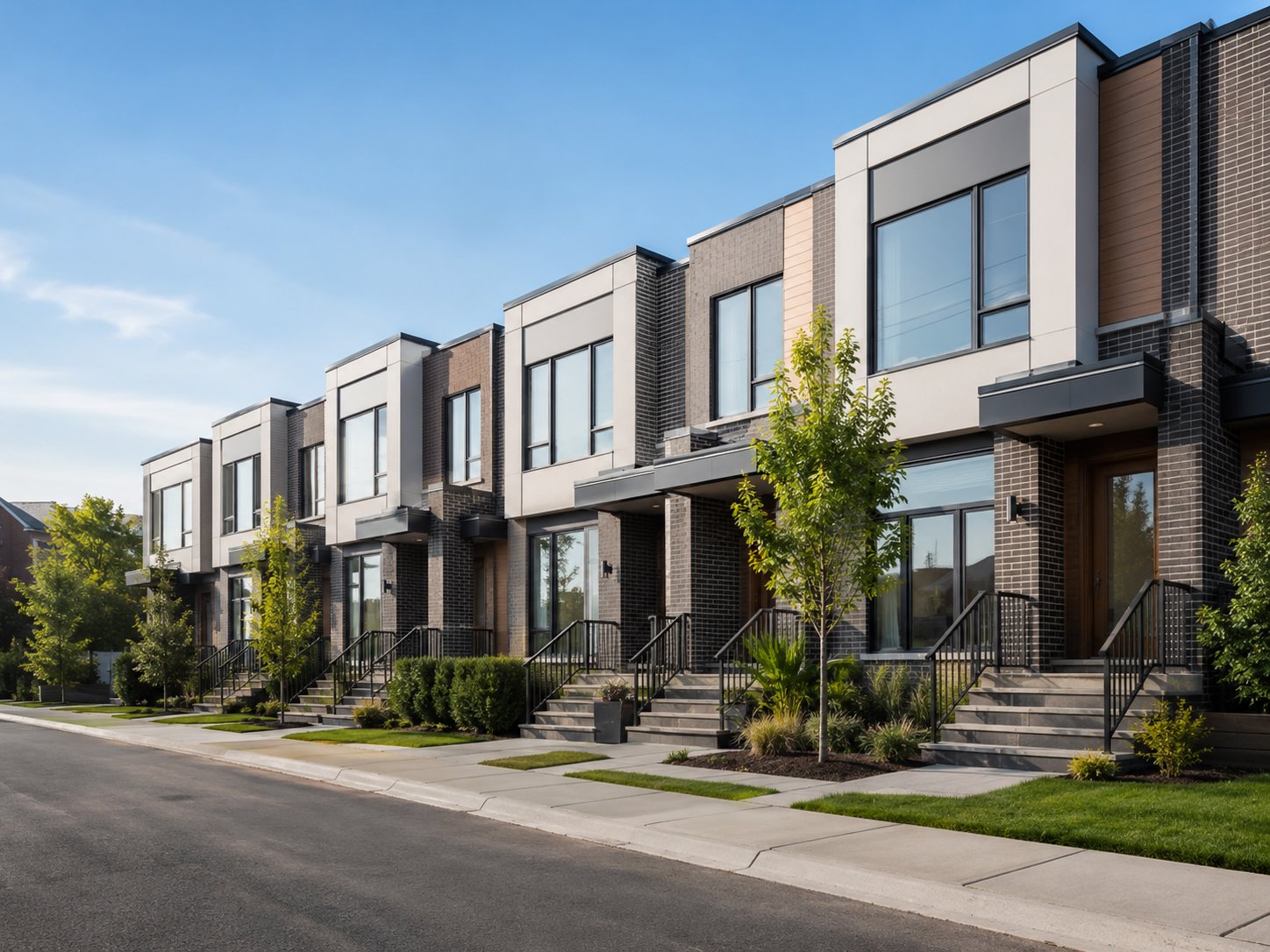
Consider a developer proposing twenty-four townhouses on an approved metropolitan infill site. The total development cost is forecast at $18.4 million, including land, acquisition costs, construction, professional fees, authority charges, contingency, selling costs and finance. The expected gross realisation value is $23.8 million.
The borrower requests a senior development facility with a maximum limit of $12.8 million, including capitalised interest and fees. The sponsor has already contributed $4.1 million through the land acquisition and early project costs and will contribute a further $1.5 million before the first construction draw. The remaining equity is held in cash and is supported by current bank statements.
The executive summary explains the project, approval, builder, programme, presales and exit. The entity diagram identifies the special-purpose borrower, two sponsor shareholders and the related development-management company. The sponsors provide resumes showing three completed townhouse projects of similar scale, together with statements of assets and liabilities and evidence of liquidity.
The site folder contains the title search, purchase settlement statement, survey, approval, approved plans, services information and environmental reports. The planning folder includes the development approval, conditions matrix and a letter from the certifier confirming the expected building-approval timetable.
The construction folder includes a proposed fixed-price design-and-construct contract for $11.2 million, detailed inclusions, programme, builder profile, insurance evidence and an independent quantity-surveyor cost report. The report identifies a total construction and associated works allowance consistent with the feasibility and confirms that the contingency is reasonable for the design stage.
The feasibility is supplied as a monthly cash flow. It models progressive drawdowns, capitalised interest, GST timing, agent commissions and a four-month sales-settlement period after practical completion. Sensitivities include a five per cent reduction in gross realisation value, a five per cent increase in remaining construction cost and a six-month delay. The combined downside still repays the senior facility but materially reduces the sponsor's return, which demonstrates that the lender retains a buffer before its principal is exposed.
The developer has eight qualifying presales at conservative prices with ten per cent deposits. The sales schedule discloses purchaser details, contract dates, prices, deposits and related-party status. The agent's market report supports the remaining pricing and absorption assumptions.
The exit strategy is retail settlement of the townhouses, with the lender receiving agreed release amounts from each settlement. A secondary bulk-sale analysis shows the discount that may apply if unsold dwellings must be sold in one line. The sponsor also provides evidence that completed stock could be temporarily held and refinanced, although retail sell-down remains the primary exit.
Because the information is complete and internally consistent, the lender can focus on the actual credit decision rather than spending weeks identifying missing documents. The project is not guaranteed approval, but the quality of the submission makes the risks visible, measurable and capable of being addressed through the facility structure.
15. Common omissions that delay approval
Many funding applications are delayed by small gaps that become significant when combined. One common omission is proof of equity. The feasibility may state that the sponsor will contribute several million dollars, but the submission contains no bank statements, sale contracts or other evidence showing that the money is available.
Another frequent problem is an outdated feasibility. The model may use an earlier construction estimate, old interest rate, superseded design or optimistic programme. When the lender compares it with the latest contract and approval, the figures no longer reconcile. The entire cost-to-complete calculation then has to be rebuilt.
Builder information is often too limited. A one-page capability statement does not answer questions about financial strength, current workload, licences, insurance and comparable experience. Similarly, an unsigned building contract with large provisional sums may not provide enough cost certainty for construction approval.
The exit strategy is also commonly underdeveloped. Developers may provide projected sale prices but no sales evidence, or assume refinance without showing stabilised income and debt-service coverage. The lender is being asked to rely on an exit that has not been demonstrated.
Finally, applicants sometimes submit the project to a lender whose credit appetite does not match the asset, location, loan size, sponsor experience or approval status. A complete application cannot overcome a fundamental policy mismatch. Lender selection should occur before formal submission, based on a clear understanding of the project's risk and required structure.
16. The property development funding checklist
The following checklist is intended as a final pre-submission review. Not every item will apply to every project, and a lender may ask for additional information. The objective is to confirm that each major credit question is answered and supported by evidence.
Category
Documents and evidence to confirm
Funding request
Executive summary; requested facility amount; purpose; term; peak debt; sources and uses; proposed capital stack; primary and secondary exits.
Borrower and sponsor
Entity diagram; ASIC or trust documents; beneficial owners; sponsor resumes; completed-project schedule; current projects; assets and liabilities; financial statements; tax information; existing debt and guarantees.
Site and title
Contract or ownership evidence; title search; settlement statement; easements and covenants; access; services; survey; geotechnical, environmental, flood, bushfire or contamination reports where relevant.
Planning and approvals
Development approval; approved plans; conditions matrix; operational works; building approval status; authority consents; infrastructure contributions; appeal or lapse issues; approval programme.
Feasibility and cash flow
Detailed feasibility; monthly cash flow; source of assumptions; TDC and GRV; finance costs; GST treatment; contingency; sensitivities; cost-to-complete test; equity timing.
Valuation
Current valuation if available; complete valuation instruction pack; comparable evidence; area schedule; sales or leasing assumptions; reconciliation between feasibility and valuation basis.
Builder and construction
Builder profile; licence and insurance; comparable experience; financial capacity; building contract; scope; plans and specifications; programme; provisional sums; variation process; quantity-surveyor report.
Sales, presales or leasing
Agent appointment; pricing and comparable evidence; marketing plan; presale schedule; contract and deposit details; release-price model; heads of agreement; leases; tenant covenant; incentives; fit-out obligations.
Equity and subordinate capital
Proof of cash; evidence of paid costs; land-equity calculation; investor commitments; shareholder or JV documents; mezzanine or preferred-equity terms; contribution timing; cost-overrun support.
Loan structure
Interest treatment; fees; drawdown process; term and extension options; covenants; conditions precedent; contingency access; release prices; cash sweeps; minimum-interest provisions; default pricing.
Exit strategy
Retail sell-down, bulk sale, investment sale or refinance plan; evidence supporting values and timing; refinance metrics; settlement schedule; secondary exit; downside repayment analysis.
Risk and data room
Project-specific risk register; mitigants; document register; current file versions; consistent figures; outstanding items and expected delivery dates; contact list for advisers and consultants.
The checklist should be treated as a living document. Update it whenever the project design, cost plan, programme, presales, leasing or ownership changes. A funding pack that was complete two months ago may no longer be current if the builder has changed, approvals have been amended or the sponsor's equity position has moved.
17. A practical pre-submission readiness test
Before sending the application, ask whether an independent credit manager could understand the project without a long introductory call. The submission should explain who is borrowing, what is being developed, how much it will cost, how the project is funded, what the lender is being asked to provide and how the debt will be repaid.
Next, test whether all core numbers reconcile. The total development cost in the executive summary, feasibility, quantity-surveyor report and funding request should agree or have a clear bridge. The approved plans should match the valuation and sale schedule. The construction programme should fit within the loan term with an appropriate buffer.
Then test downside resilience. Determine the additional equity required if values fall, costs rise or completion is delayed. Confirm who will provide that equity and whether it is genuinely available. A project that is financeable only under the exact base case is unlikely to satisfy a prudent lender.
Finally, assess whether the proposed lender and facility match the project. A bank-style facility may offer lower pricing but require presales, stronger sponsor covenants and a longer assessment process. A private-credit facility may offer greater flexibility or leverage at a higher cost. The correct choice depends on the commercial objective, not simply the headline rate.
18. Questions to ask before accepting a term sheet
A term sheet should be read as a description of the entire funding relationship, not merely an approval amount and interest rate. Confirm how the lender defines total development cost and value, which costs are eligible for funding and how equity must be contributed.
Ask how interest is calculated and capitalised, whether there is a minimum-interest period or minimum return, and what happens if the project repays early. Establishment, line, exit, extension and review fees should be quantified under both the expected programme and a delayed scenario.
Review the drawdown conditions, quantity-surveyor process and timing of progress payments. Confirm how contingency can be accessed, how variations are treated and what evidence is required before the first construction draw.
For sell-down projects, understand qualifying-presale requirements, release prices, cash sweeps and whether surplus settlement proceeds can be used for later project costs. For hold strategies, confirm the conditions for practical completion, stabilisation and refinance.
The default and enforcement provisions also matter. Review financial covenants, events of default, cure periods, default interest, control over project accounts, lender consent rights and the treatment of cost overruns. Legal advice is essential before execution, particularly where multiple lenders, investors or guarantors are involved.
Running your own numbers?
Open the feasibility calculators →19. Frequently asked questions

How early should a developer start preparing the funding application?
Preparation should begin before the formal lender approach. Core documents such as the entity structure, sponsor information, site control, approvals and feasibility can be assembled while the builder, valuation and quantity-surveyor work progresses. Starting early allows inconsistencies to be corrected before they affect the funding timetable.
Does every project need full development approval before finance can be obtained?
No. Acquisition and pre-development facilities may be available before full approval, but they are assessed differently from construction loans. Construction funding generally requires a much higher level of planning, design and cost certainty before drawdown.
Will a lender accept the developer's own valuation?
A developer valuation or agent appraisal can assist with early assessment, but the lender will usually appoint an independent valuer for formal credit and security purposes. The facility amount may be based on the lender-appointed valuation rather than the developer's estimate.
How much equity must be contributed before debt is drawn?
This varies by lender and structure. Some lenders require all equity to be contributed first, while others fund proportionally. The timing should be confirmed in the term sheet and reflected in the monthly cash flow.
“A lender’s confidence is built on your preparation.”
— The Australian Property Development Handbook
Can land value be used as equity?
Yes, subject to the lender's adopted value and existing debt. The lender may not recognise the full amount of planning uplift or the developer's preferred valuation. Net land equity is generally calculated after deducting secured debt and relevant costs.
Are presales always required?
No. Requirements depend on the asset type, location, sponsor, leverage, lender and market risk. Some projects can be funded with limited or no presales, particularly at lower leverage or where the sponsor has strong capacity. However, the lender still needs a credible repayment strategy.
Why does the lender need a quantity surveyor?
The quantity surveyor independently reviews the cost to complete, contract, programme, contingency and progress claims. This protects both the lender and borrower by identifying cost gaps and verifying that drawdowns reflect completed work.

What is the most common cause of funding delay?
There is rarely only one cause. Delays commonly result from incomplete approvals, unresolved valuation questions, builder due diligence, inconsistent feasibility figures, insufficient proof of equity or slow legal documentation. A well-managed data room and document register can reduce many of these issues.
Should the same application be sent to multiple lenders?
The core project information can be consistent, but the presentation should be tailored to the lender's appetite and proposed structure. Sending an unfocused pack to many lenders can create confusion and may weaken market confidence. A targeted process generally produces better engagement.
These principles come from our free guide.
Download the handbook →Is the lowest-priced loan always the best option?
No. The relevant comparison is the total cost, leverage, equity requirement, term, drawdown mechanics, covenants, extension flexibility and likelihood of execution. A cheaper facility that does not fit the programme or cannot reach settlement may be more expensive in practice.
Conclusion
A property development funding checklist is valuable because it forces the project to be viewed through the lender's eyes. The lender is not simply asking whether the development may be profitable. It is asking whether the borrower is capable, whether the project is fully funded, whether the risks are understood and whether the debt can be repaid under a realistic range of outcomes.
The strongest applications tell one consistent story. The ownership structure is clear. The approvals match the plans. The feasibility matches the construction contract and valuation. The equity is evidenced. The programme fits the facility term. The exit is specific and supported. Risks are acknowledged and mitigated rather than hidden.
Completing the checklist does not guarantee approval, but it materially improves the quality of the funding process. It allows the lender to assess the real merits of the development, helps the developer identify gaps early and creates a stronger platform for negotiating a facility that suits the project's commercial objectives.
How BluCow Capital can assist
A well-prepared funding submission can save time, reduce uncertainty and improve the quality of available terms. Where a project is not yet lender-ready, identifying the issue early may allow the structure, equity, documentation or exit strategy to be improved before formal credit assessment.
To discuss the funding requirements for a proposed development, contact BluCow Capital or submit an enquiry through blucowcapital.com.au.
Disclaimer
This article provides general information only and does not constitute financial, credit, legal, tax, investment or property advice. Development-finance terms, lender requirements and project outcomes vary. Independent professional advice should be obtained before entering any finance, investment, construction, development or legal arrangement.
Related BluCow Capital guides
The Complete Guide to Property Development Finance in Australia explains the broader development-finance process and available capital structures.
How Property Developers Can Improve Their Chances of Securing Finance provides practical guidance on lender readiness and application quality.
The 10 Biggest Reasons Property Development Loans Get Declined examines the most common credit weaknesses and how they can be addressed.
Property Development Feasibility Metrics Every Lender Reviews explains GRV, TDC, LTC, LVR, profit, IRR, MOIC and lender sensitivity analysis.
The Ultimate Guide to Mezzanine Finance in Australia explains how subordinated debt can be used to close the gap between senior debt and developer equity.