

What changes the funding
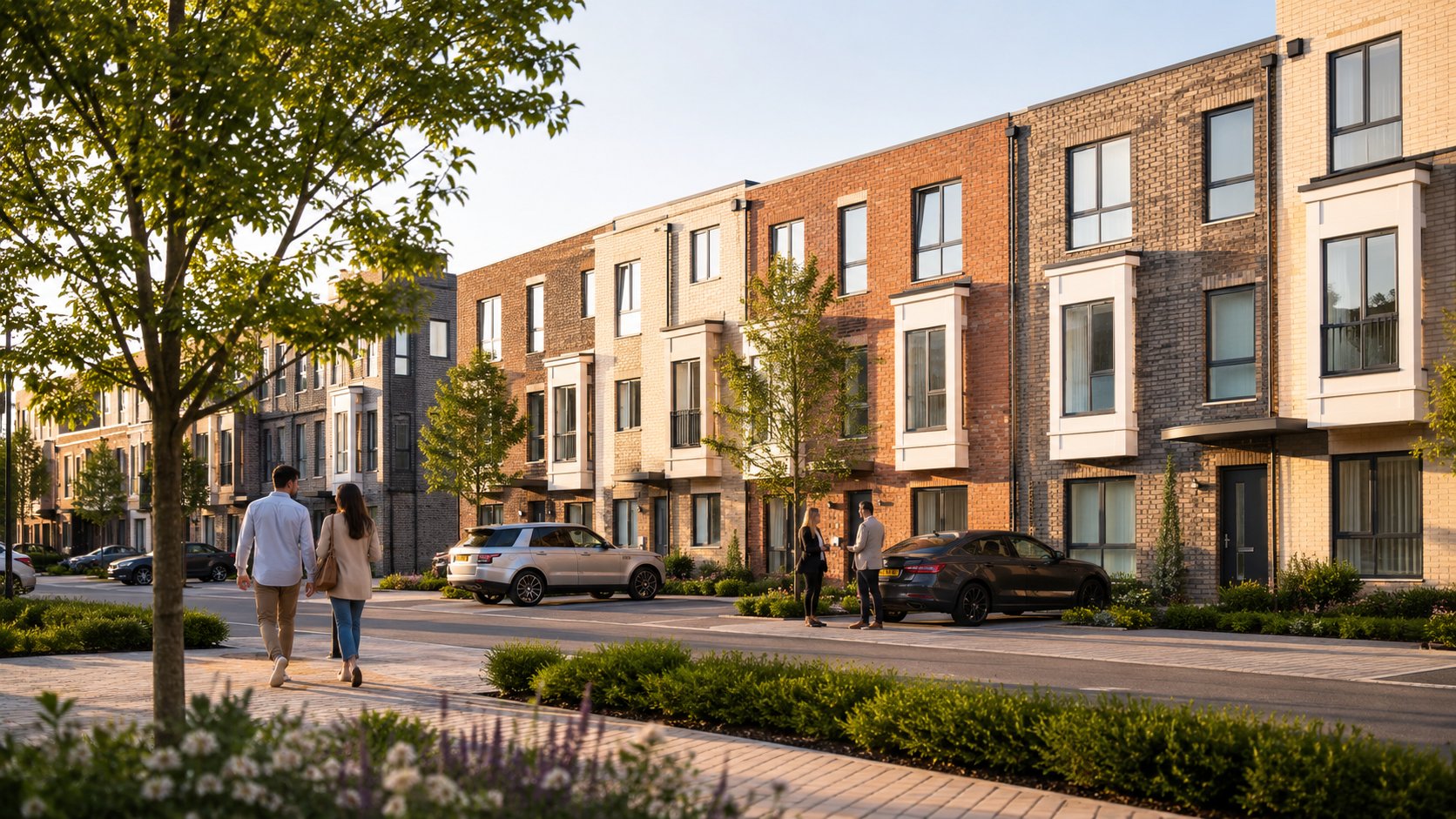
Townhouses are delivered as multiple, separable dwellings rather than one monolithic structure. That granularity changes the credit conversation: the builder pool is deeper and more substitutable, and — critically — the project can be settled and de-geared in stages. A partial-discharge ladder lets each completed dwelling settle and release the lender's security, retiring debt as you go.
We structure the senior facility around that settlement profile, and add mezzanine only where preserving cash for the next site outweighs the cost.
| Typical leverage | Lower of ~65% of GRV and ~80% of total cost |
|---|---|
| De-gearing | Partial-discharge ladder as dwellings settle |
| Builder risk | Lower concentration than mid-rise; wider builder pool |
| Repaid by | Individual settlements, staged |
Worked example
A 16-townhouse project with a $14.5m end value. A small mezzanine layer lifts leverage where presale-driven senior debt leaves an equity gap.
| Layer | Amount | % of cost |
|---|---|---|
| Senior debt @ 8.50% | $7.03m | 65% |
| Mezzanine @ 15.50% | $865k | 8% |
| Developer equity | $2.92m | 27% |
| Total development cost | $10.81m | 100% |
| End value (GRV) | $14.50m |
|---|---|
| Loan to value (LVR) | 54.4% |
| Loan to cost (LTC) | 73.0% |
| Blended cost of debt | 9.27% |
| Finance cost (interest) | $731,411 |
| Brokerage — BluCow (indic.) | $80,276 + GST |
| Development profit | $3.40m |
| Margin on cost | 31.4% |
| Return on equity | 116.4% |
| Equity multiple | 2.16x |
Illustrative only — actual leverage, pricing and returns depend on the lender, valuation, QS report and the specific project.
When it's the right structure
Townhouse finance suits medium-density developers who value flexibility: a wider builder market, a stageable program, and a settlement ladder that reduces risk for both sponsor and lender. It pairs naturally with a residual-stock facility if some stock remains at completion.
Advantages and limitations
Advantages: lower builder concentration, staged de-gearing, and flexible presale strategies. Limitations: per-dwelling delivery costs, and a margin that still must clear a QS-tested cost-to-complete.
Related services
- Property development finance (overview) →
- Apartment development finance →
- Land subdivision finance →
Frequently asked questions
Are townhouses easier to fund than apartments?
Often, on the margin. Townhouse construction is granular — multiple dwellings rather than one structure — which widens the pool of capable builders and softens the builder-concentration risk credit teams underwrite against. Staged settlement also gives a more flexible debt-reduction path.
How does staged settlement affect the loan?
Townhouses can settle individually as they complete, so the facility can be repaid progressively through a partial-discharge ladder. That reduces peak debt exposure and can improve pricing versus a single bullet repayment at the end.
Do I need presales for a townhouse development?
It depends on the lender and leverage. A staged release strategy can satisfy a presale hurdle one tranche at a time; private-credit senior can reduce the requirement at a higher cost.