

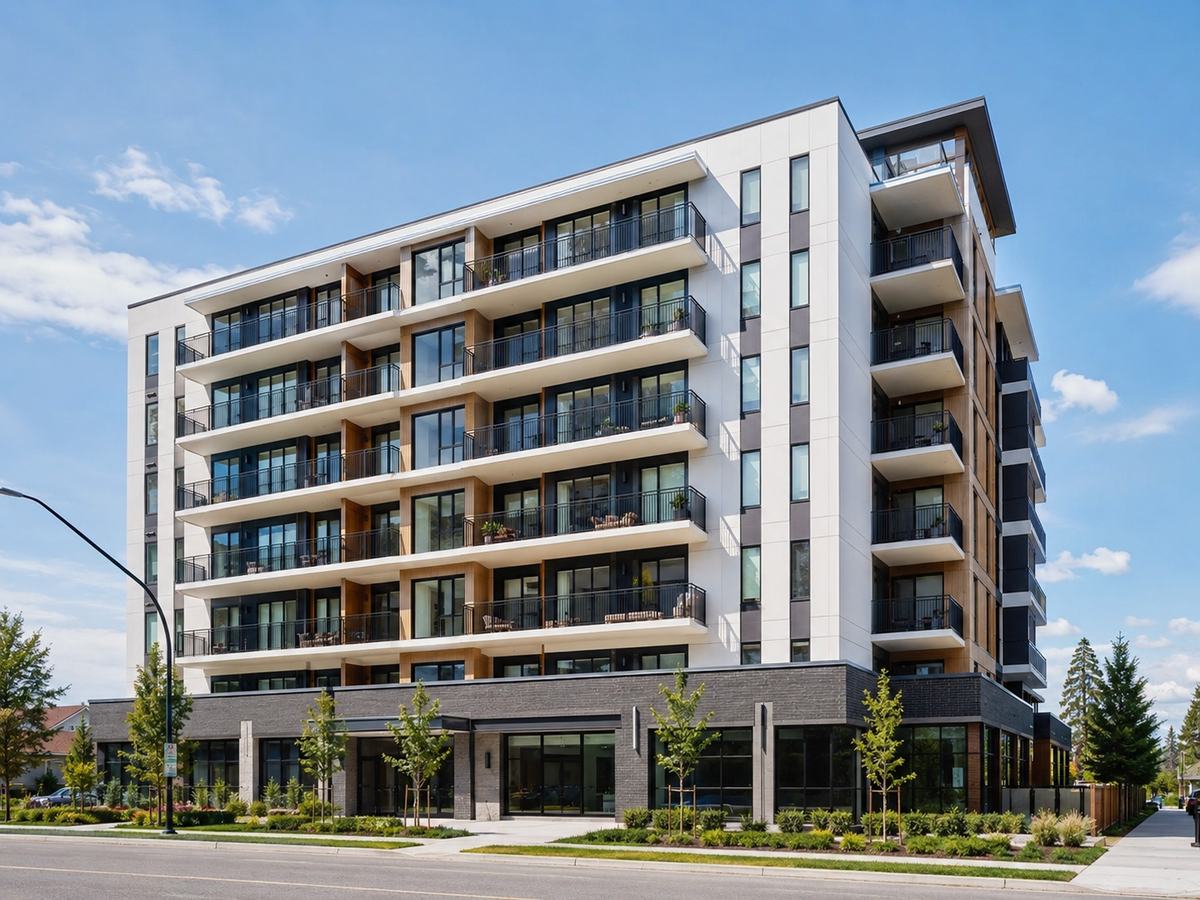
The scenario
“Presales buy you cheaper debt; completed stock buys you a better price.”
— The Australian Property Development Handbook
A developer is delivering a 42-apartment mid-rise with a $23.0m end value on a $15.6m cost base. Bank senior is available with qualifying presales, but the presale-driven senior leaves an equity gap the developer would rather not fill with cash needed for the next site.
How we structured it
Senior debt is sized to the lower of the GRV and cost tests; a modest mezzanine layer fills the gap above it so the developer’s equity cheque stays small. The mezzanine costs more, but it is a thin slice — and it is what lifts return on equity.
| Layer | Amount | % of cost |
|---|---|---|
| Senior debt @ 8.25% | $11.50m | 68% |
| Mezzanine @ 15.50% | $1.52m | 9% |
| Developer equity | $3.89m | 23% |
| Total development cost | $16.91m | 100% |
| Senior rate | 8.25% |
|---|---|
| Mezzanine rate | 15.50% |
| Blended cost of debt | 9.10% |
| Loan to value (LVR) | 56.6% |
| Loan to cost (LTC) | 77.0% |
| Finance cost (interest) | $1,184,622 |
| Brokerage — BluCow (indic.) | $126,467 + GST |
| Development margin | $5.63m |
| Margin on cost (RoC) | 33.3% |
| Return on equity (RoE) | 145% |
| Equity multiple | 2.45x |
This case study is hypothetical and illustrative — figures depend on the project, security, presales and lender.
The outcome
The mezzanine slice preserves roughly a million of the developer’s cash for the next acquisition, at the cost of a higher blended rate. On settlement, sales clear the senior and mezzanine in priority; the developer keeps the balance. The result is a materially higher return on equity than an all-senior, cash-heavy structure would produce.